


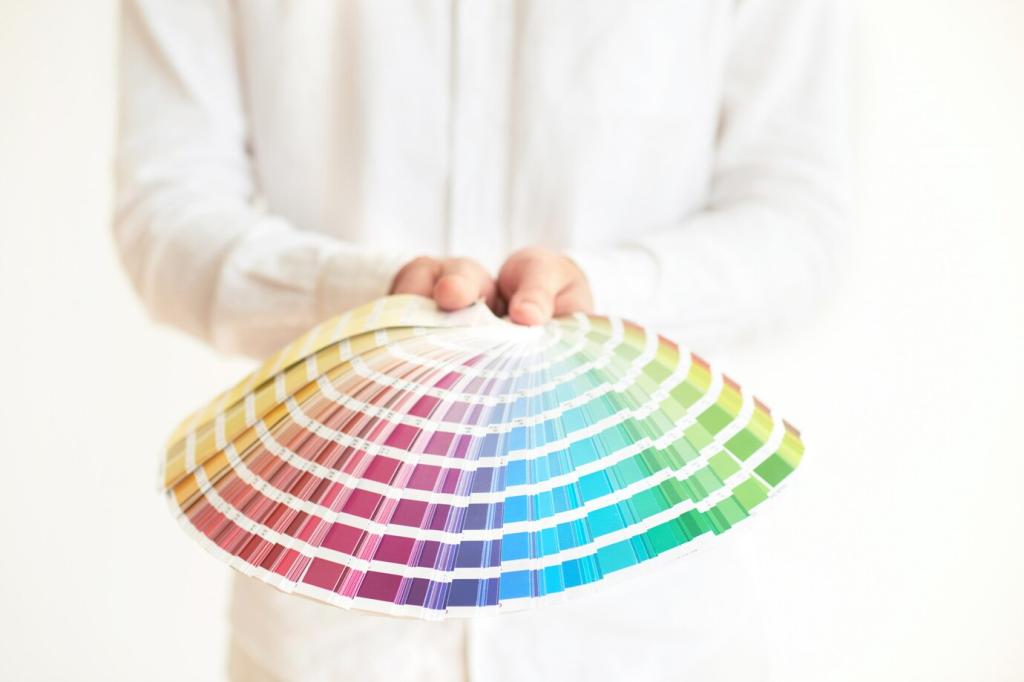


Illuminating Color: How Lighting Shapes Every Interior Palette

Chosen theme: The Impact of Lighting on Interior Color Choices. Step into a brighter understanding of how sunlight, bulbs, and shadows transform paint, textiles, and finishes—so your rooms look exactly as you imagined, day and night.

Light 101: Why Colors Change from Dawn to Dusk

Natural Light and Its Moving Spectrum

Morning light is cool and crisp, midday light is neutral and bright, and evening light grows warm and honeyed. Each shift nudges colors toward blue or gold, changing how walls read—especially whites, grays, and pale greens. Track these changes before finalizing any interior color choices.

Artificial Light Sources and Their Personalities

Incandescent bulbs flatter warm palettes, compact fluorescents can mute or skew hues, and LEDs vary widely by spectrum and quality. The wrong bulb can make a perfect paint appear muddy or too vibrant. Always pair your intended colors with the exact bulbs you plan to use.

Human Perception, Metamerism, and Surprise

Metamerism occurs when two colors match under one light but not another, confusing even trained eyes. That “perfect beige” may lean pink under warm lighting or turn green under cool LEDs. Check colors under multiple light sources to avoid expensive, disappointing repaint decisions.

Orientation and Time: The Room’s Natural Filter

North vs. South: The Cardinal Color Shift

North-facing rooms tend to feel cooler and slightly gray, dulling soft blues and purples. South-facing rooms glow warm and bright, intensifying earthy tones and muting cool neutrals. Choose colors with undertones that complement the direction rather than fight it, and adjust bulbs accordingly.

Morning, Noon, and Evening: A Living Palette

A shade that feels serene at 10 a.m. might look saturated at noon and cozy by evening. Plan palettes around your peak usage times. If you cook after sunset, test kitchen colors under your evening lighting to ensure your cabinets and backsplash still look delicious.

A Quick Story from a Sunlit Hallway

A reader chose a soft gray for a south-facing hallway; by afternoon it looked lilac. Swapping to a slightly warmer gray and high-CRI neutral LEDs restored the intended calm. Share your own lighting surprises below—we feature the smartest fixes in our next roundup.

Color Temperature and CRI: Decoding Bulb Labels

2700K to 3000K reads warm and cozy, 3500K to 4000K feels balanced and versatile, and 5000K leans daylight-bright. Warm bulbs enhance terracotta, blush, and taupe, while neutral-cool bulbs sharpen blues and crisp whites. Match bulb temperature to your palette’s undertones for harmony.

Color Temperature and CRI: Decoding Bulb Labels

High CRI (90+) bulbs reveal subtleties in paint and textiles that low CRI lights flatten or distort. It’s crucial for nuanced colors like greiges, sages, and complex whites. If your favorite hue keeps disappointing at night, upgrading CRI often fixes the issue without repainting.

Color Temperature and CRI: Decoding Bulb Labels

Bring your swatches to the store, compare under different display lamps, and photograph results. Note Kelvin, CRI, lumens, and brand consistency. Comment with your go-to bulbs for warm or cool palettes—your tips help others pick lighting that respects their interior color choices.

Finishes and Materials: How Surfaces Play with Light

Matte hides flaws but absorbs light, softening color. Satin adds gentle reflection for lively neutrals. Semi-gloss and gloss bounce light, amplifying color and creating hotspots. Use higher sheen on trim to frame walls elegantly, and be mindful of glare where direct light hits surfaces.

Finishes and Materials: How Surfaces Play with Light

Velvet deepens shade and shows directional highlights, linen scatters light for a relaxed feel, and polished stone brightens nearby colors. Wood species and stains influence warmth, especially under 2700K bulbs. Build material boards to see how lighting shifts the combined palette in real context.
Start with even ambient light to reveal true wall color, add task light to protect functional clarity, and finish with accent light to celebrate art and texture. When layered thoughtfully, your palette remains stable and nuanced from sofa reading to dinner with friends.

Layered Lighting: Balance Your Palette with Purpose

Dimmers gently adjust intensity without wrecking color. Tunable white fixtures shift from warm to cool across the day, helping colors feel natural from sunrise to evening. Set scene presets for different activities, then observe how your palette breathes. Tell us which settings you love most.

Layered Lighting: Balance Your Palette with Purpose

Ourday-story
Privacy Overview

This website uses cookies so that we can provide you with the best user experience possible. Cookie information is stored in your browser and performs functions such as recognising you when you return to our website and helping our team to understand which sections of the website you find most interesting and useful.