

Understanding Color Temperature for Interior Design: Create Spaces That Feel Just Right

Chosen theme: Understanding Color Temperature for Interior Design. Discover how warm and cool light shapes mood, color, and comfort at home, with practical tips, relatable stories, and simple choices you can try tonight. Share your questions and subscribe for weekly lighting wisdom.

From Candlelight to Daylight

Color temperature measures light’s hue in Kelvin (K). Around 2700K resembles candlelight, 3000K warm white, 4000K neutral, and 5000–6500K daylight. You’re not imagining mood shifts—our brains and bodies truly respond.

Warm vs. Cool: What You’ll Notice

Warm light softens textures, flatters skin, and invites conversation. Cool light sharpens edges, clarifies detail, and energizes focus. Choosing thoughtfully blends atmosphere and function, keeping rooms beautiful and genuinely useful for daily routines.

A Simple Home Test Tonight

Place a warm 2700K lamp beside a cool 5000K lamp and compare the same book cover or cushion. Note colors, shadows, and how you feel. Tell us your preference in the comments below.

Room-by-Room Guidance You Can Trust

Aim for 2700K–3000K with layered light: ambient for glow, task for reading, accent for art. This combination keeps conversations soft, colors warm, and evenings relaxing. Share your favorite bulb brand and why.

Room-by-Room Guidance You Can Trust

Choose 3500K–4000K for chopping, reading recipes, and cleaning. It keeps counters crisp without feeling cold. Pair under-cabinet task lights with a slightly warmer island pendant to balance utility with a welcoming gathering point.

Daylight, Orientation, and Paint Undertones

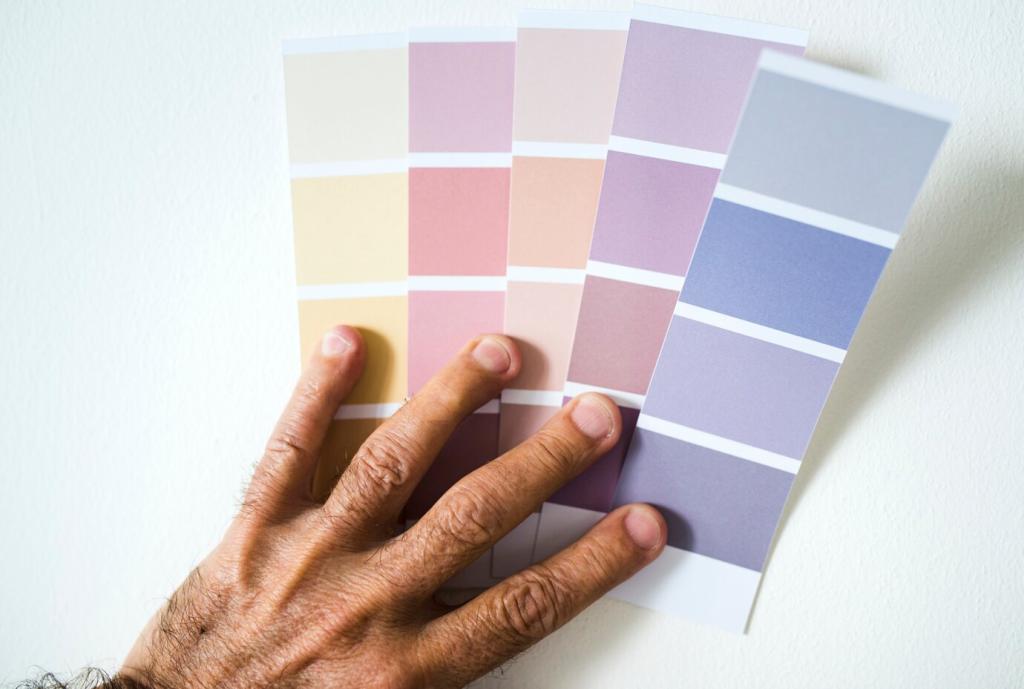
North-facing rooms receive cooler, consistent daylight. Consider 3000K–3500K to counterbalance blue tones without turning everything yellow. Test swatches at different hours. Notice how grays shift; some carry blue or green undertones unexpectedly.

Daylight, Orientation, and Paint Undertones

Sun-rich southern and western exposures add natural warmth. Maintain clarity with 3000K–3500K indoors to avoid over-syruping colors. Sheer curtains diffuse glare, letting warmer afternoon light mingle gently with your fixtures’ chosen temperature.

Bulb Labels Decoded: What Actually Matters

CCT, CRI, and Lumens in Plain English

CCT is color temperature in Kelvin; CRI measures color accuracy (aim for 90+ for art and skin tones); lumens measure brightness. Wattage reflects power use, not brightness. Screenshot this for your next shopping trip.

LED Reality Check

Modern LEDs offer stable color, great efficiency, and excellent dimming—if you match bulb and dimmer types. Look for “flicker-free” and “tunable white” when you want flexible scenes for work, dinner, and movie night.

Smart Scenes, Smarter Routines

Set morning scenes around 4000K for alertness, then drift to 2700K by evening. Automations reduce decision fatigue and improve sleep cues. Share your favorite scene settings and we’ll feature top ideas next week.

This is the heading

Lorem ipsum dolor sit amet, consectetur adipiscing elit. Ut elit tellus, luctus nec ullamcorper mattis, pulvinar dapibus leo.

This is the heading

Lorem ipsum dolor sit amet, consectetur adipiscing elit. Ut elit tellus, luctus nec ullamcorper mattis, pulvinar dapibus leo.

Common Mistakes—and Elegant Fixes

01

Mismatched Bulbs Everywhere

Mixing 2700K, 3500K, and 5000K in one room causes visual noise. Choose a primary CCT, then allow slight variation only by purpose. Start by labeling spare bulbs and replacing outliers first.
02

The Too-Cool Home Office

Ultra-cool 6500K can feel sterile at home. Try 3500K–4000K for clarity with comfort, then add a warmer lamp for breaks. Comment if switching reduced eye strain, and we’ll compile reader results.
03

Forgetting Layers

Ambient alone flattens rooms. Add task and accent at the same CCT family for cohesion. Dimmers stretch usefulness through day and evening. Subscribe for our printable three-layer checklist you can keep near switches.

Stories From Real Homes

A Studio Saved by 3000K

Maya swapped her mismatched bulbs for consistent 3000K, added a dimmer, and suddenly the beige sofa looked intentional, not tired. She cooked more, hosted again, and finally finished that gallery wall.

A Sun-Tracking Home Office

Jon set his desk lamp to 4000K mornings, 3500K afternoons, 3000K evenings. His video calls looked better, and he logged off earlier. Try a schedule for a week, then tell us what changed.

Your Turn: Show and Tell

Pick one room and one goal—cozier dinners, calmer bedtime, sharper focus. Adjust color temperature accordingly for seven days. Share photos and notes below, and subscribe to see featured makeovers next month.
Ourday-story
Privacy Overview

This website uses cookies so that we can provide you with the best user experience possible. Cookie information is stored in your browser and performs functions such as recognising you when you return to our website and helping our team to understand which sections of the website you find most interesting and useful.